
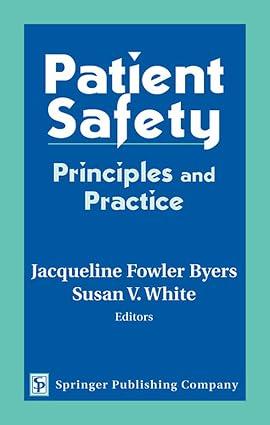
Patient Safety: Principles and Practice

Patient Safety: Principles and Practice

1 in stock

د.إ120.00

The introduction emphasizes that patient safety is a fundamental component of high-quality healthcare. Despite advances in medicine, preventable medical errors remain a significant cause of patient harm. Healthcare organizations must therefore develop systems and cultures that prioritize safety, continuous improvement, and accountability.

Key ideas include:

  • Patient safety as a healthcare priority: Protecting patients from preventable harm is a shared responsibility of healthcare professionals, administrators, and policymakers.
  • Systems approach to safety: Many medical errors result from weaknesses in healthcare systems rather than individual negligence. Improving processes and communication can significantly reduce risks.
  • Evidence-based practice: Safety initiatives should be based on research, clinical evidence, and proven best practices to improve patient outcomes.
  • Role of technology: Technologies such as computerized physician order entry (CPOE), barcode medication administration, and clinical decision support systems help reduce medication and treatment errors.
  • Teamwork and communication: Effective collaboration among healthcare providers, clear communication, and patient involvement are essential for preventing mistakes and ensuring safe care.
  • Culture of safety: Organizations should encourage open reporting of errors and near misses without fear of blame, allowing learning and continuous quality improvement.
  • Purpose of the book: The text aims to provide healthcare professionals, managers, educators, and students with practical knowledge, quality improvement tools, and evidence-based strategies for creating safer healthcare environments across different clinical settings and patient populations.


1 in stock

Add to wishlist
Category:

The introduction emphasizes that patient safety is a fundamental component of high-quality healthcare. Despite advances in medicine, preventable medical errors remain a significant cause of patient harm. Healthcare organizations must therefore develop systems and cultures that prioritize safety, continuous improvement, and accountability.

Key ideas include:

  • Patient safety as a healthcare priority: Protecting patients from preventable harm is a shared responsibility of healthcare professionals, administrators, and policymakers.
  • Systems approach to safety: Many medical errors result from weaknesses in healthcare systems rather than individual negligence. Improving processes and communication can significantly reduce risks.
  • Evidence-based practice: Safety initiatives should be based on research, clinical evidence, and proven best practices to improve patient outcomes.
  • Role of technology: Technologies such as computerized physician order entry (CPOE), barcode medication administration, and clinical decision support systems help reduce medication and treatment errors.
  • Teamwork and communication: Effective collaboration among healthcare providers, clear communication, and patient involvement are essential for preventing mistakes and ensuring safe care.
  • Culture of safety: Organizations should encourage open reporting of errors and near misses without fear of blame, allowing learning and continuous quality improvement.
  • Purpose of the book: The text aims to provide healthcare professionals, managers, educators, and students with practical knowledge, quality improvement tools, and evidence-based strategies for creating safer healthcare environments across different clinical settings and patient populations.

Reviews

There are no reviews yet.

Only logged in customers who have purchased this product may leave a review.

Start typing and press Enter to search

Shopping Cart

No products in the cart.